

THE
WHY THE 13 EXISTS?
The 13 exists because a group of creatives chose to work on something bigger than mere ‘content.’ OUR world is experiencing a polycrisis; multiple distinct crises (economic, environmental, geopolitical, social, and technological) all happening simultaneously, interconnected, and amplifying one another. We want to alter that trajectory of our world – one that currently works to enrich the lives of the few, when it should be working for all people. We’re not interested in governments and billionaires that spend lavishly to sustain what they deem to be important. What we are interested in is measurable, active results where they’re needed most.
WELCOME TO THE POLYCRISIS
RECLAIMING THE POWER OF DISRUPTION
Creatives have always been the world’s disruptors. Think dead artists like Picasso, Warhol, Frida Kahlo, and Keith Haring, or living artists like Ai Weiwei, Shepard Fairey, and Banksy. These are just a few. Somewhere along the way, however, billionaires started being labeled as disruptors. The problem is that they disrupt only to enrich themselves – while artists disrupt to enrich everyone. It’s time creatives took back the disruptor title. Writers, photographers, sculptors, painters, digital artists, filmmakers; conscious creatives are the power behind The 13, and you’re invited.
Art & activism
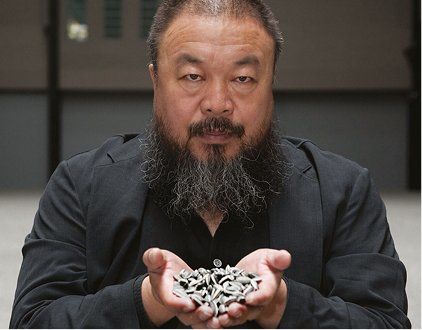
Ai Weiwei
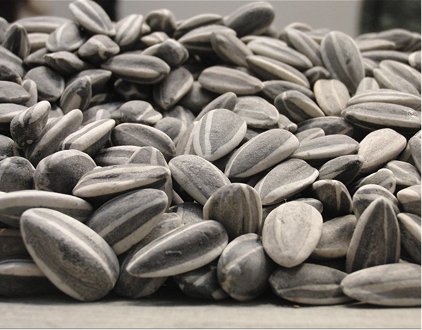
Ai Weiwei collapsed the boundary between artist, activist, citizen and political commentator. His work confronts censorship, government power, migration, human rights, labor and the relationship between individuals and systems. Sunflower Seeds, created for Tate Modern’s Turbine Hall, consisted of more than 100 million individually handcrafted porcelain sunflower seed husks made by approximately 1,600 artisans in Jingdezhen, China. The seemingly simple installation becomes a meditation on individuality, mass production, labor, collective identity and power.
Representation of reality
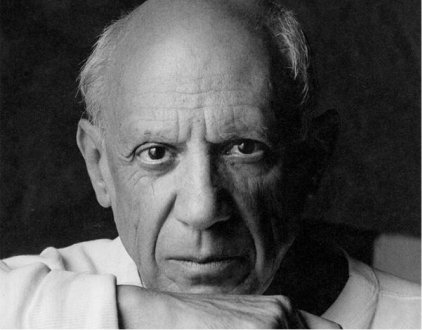
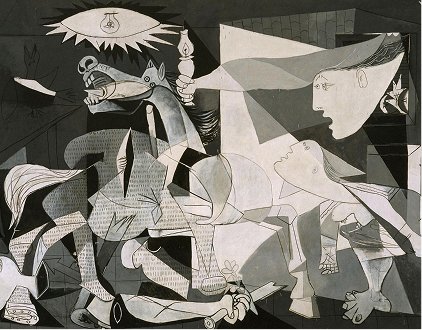
Pablo Picasso
Pablo Picasso transformed the visual language of modern art, helping to dismantle traditional perspectives and introducing Cubism’s fractured, multiple viewpoints. Guernica demonstrates another dimension of his disruption: the ability of a radically modern visual language to confront political violence. Created in response to the bombing of the Basque city of Gernika during the Spanish Civil War, the monumental painting became a universal symbol of the destruction of civilians and war itself. The Museo Reina Sofía describes it as an enduring political symbol and a landmark in the artistic representation of armed conflict.
Art, commerce & popular culture
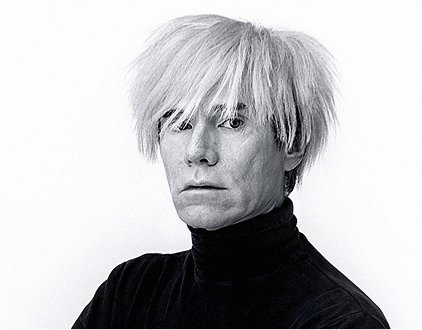
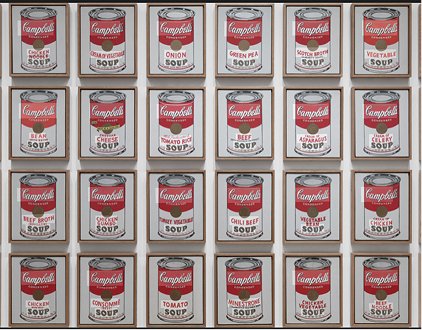
Andy Warhol
Andy Warhol demolished the traditional boundary between fine art and mass-produced consumer culture. By turning Campbell’s soup cans, celebrities, advertisements and other familiar commercial images into art, he challenged the idea that serious art had to be rare, original, or separated from everyday life. His Campbell’s Soup Cans consisted of 32 canvases displayed like products on a grocery shelf—the same number as Campbell’s soup varieties then available. The work became a defining breakthrough in Pop Art and established repetition, mass culture and commercial imagery as legitimate artistic material.
Institutions & public space
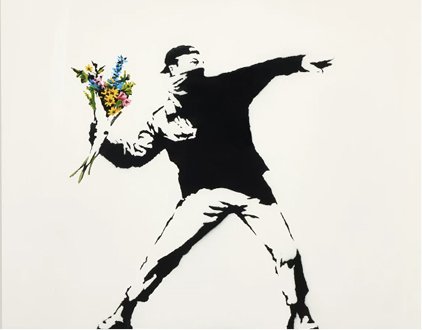
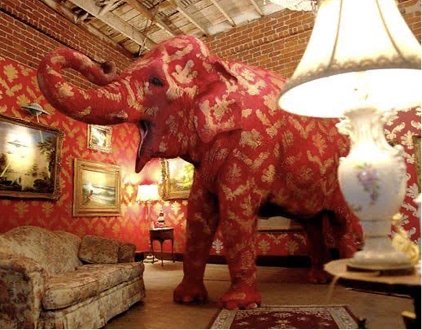
Banksy
Banksy took street art out of the margins and turned it into one of the most recognizable visual languages in contemporary culture. His anonymity, public interventions and satirical imagery challenge conventional ideas about authorship, ownership, value and the institutions that determine what art is worth. In 2006, his Barely Legal exhibition in a Los Angeles warehouse brought those ideas into the spotlight, transforming an unconventional exhibition into a provocative cultural event. Its centerpiece—a live elephant standing inside a living-room installation—confronted the “elephant in the room” of global poverty and inequality. The exhibition challenged not only the traditional gallery system, but also the audience itself: What are we willing to see, and what are we willing to ignore?
The gallery & art-market system
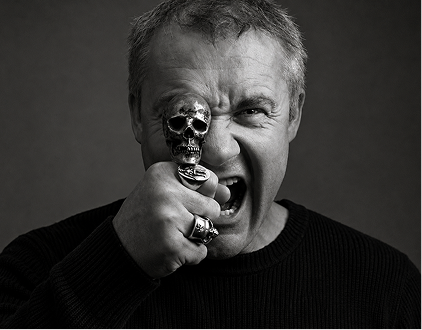
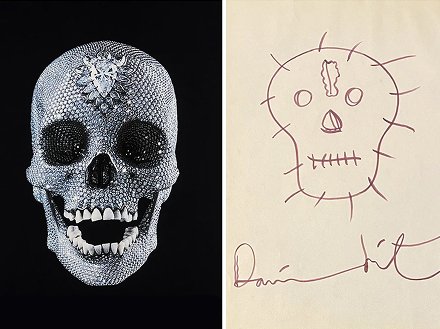
Damien Hirst
Damien Hirst challenged not only what could be considered art, but also how art could be produced, marketed, valued and sold. His work embraces spectacle, mortality, luxury, repetition and commerce, making the art market itself part of the conversation. For the Love of God, the diamond-encrusted platinum skull, is perhaps the clearest visual embodiment of that collision between death, beauty and extraordinary financial value. Hirst’s 2008 Beautiful Inside My Head Forever sale at Sotheby’s went further, sending newly created works directly from his studio to the auction house and generating £111.6 million—a landmark moment in the relationship between artists and the traditional gallery system.
Identity & the personal
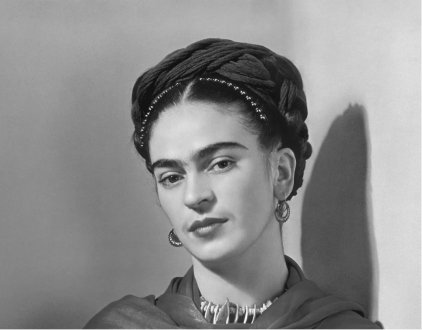
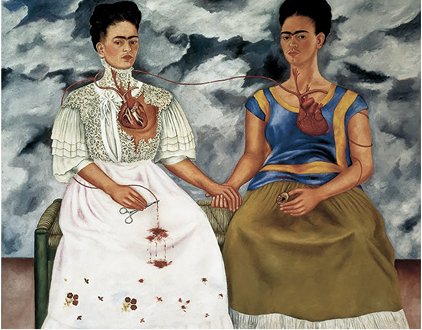
Frida Kahlo
Frida Kahlo transformed her own identity, body, culture, pain and emotional experience into the subject of monumental art. Her self-portraits weren’t simply portraits—they became explorations of Mexican identity, gender, physical suffering, relationships and the complicated construction of the self. The Two Fridas is particularly powerful because Kahlo presents two versions of herself, joined heart to heart, representing both her European heritage and Mexican tradition. The Museo Frida Kahlo identifies it as one of her most famous works and an unusually complex double self-portrait.
The boundaries of painting
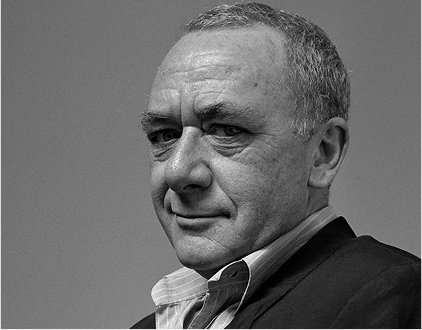
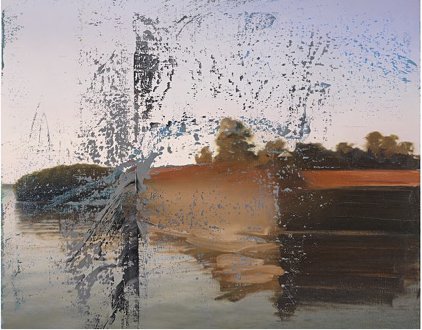
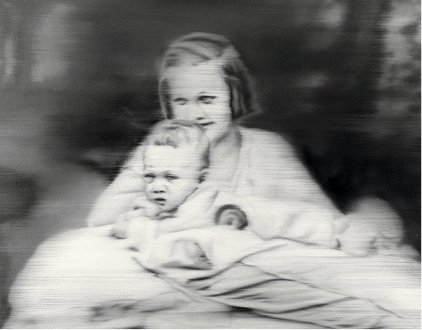
Gerhard Richter
Gerhard Richter refused to accept that painting had to choose between representation and abstraction. Throughout his career he moved between photorealistic paintings, blurred photographic imagery, monochrome works and sweeping abstractions, continually questioning what painting could be. His Abstraktes Bild paintings—particularly the large squeegee works—make chance, gesture, layering and destruction part of the creative process. Richter’s own catalogue raisonné notes that his work calls into question painting’s boundaries and the labels and theories applied to it.
Cultural authority
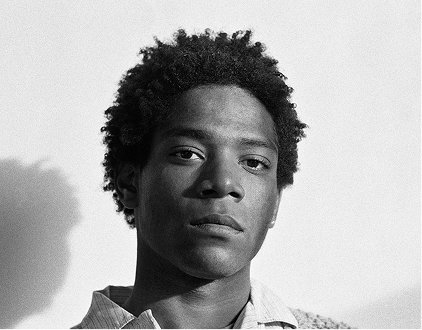
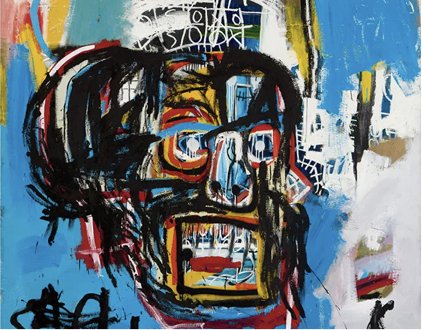
Jean-Michel Basquiat
Jean-Michel Basquiat brought the language of the street into the center of the contemporary art world. His work combined graffiti, text, anatomy, symbols, Black history, popular culture and raw expression, refusing to separate “high” art from the cultural language of New York’s streets. His 1982 works are among the defining images of his short but extraordinarily influential career. MoMA describes Basquiat as an influential figure in New York’s Downtown scene whose work connected “royalty, heroism, and the streets.”
Representation & power
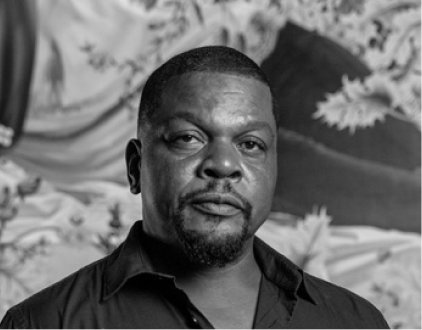
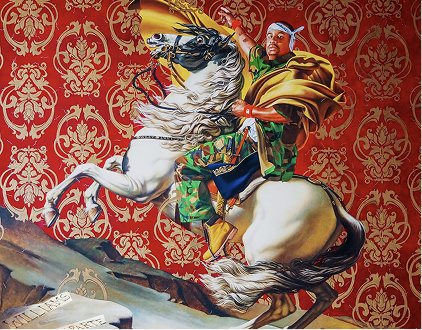
Kehinde Wiley
Kehinde Wiley takes the visual language historically reserved for kings, emperors, military leaders and aristocrats and places contemporary Black subjects at its center. In Napoleon Leading the Army over the Alps, Wiley replaces Napoleon with a young Black man in contemporary clothing while retaining the monumental equestrian pose and grandeur of Jacques-Louis David’s famous portrait. The result challenges centuries of assumptions about who is represented as powerful, heroic and historically significant. The Brooklyn Museum describes the painting as a direct confrontation with race, masculinity, power and representation in Western portraiture.
Art & public accessibility
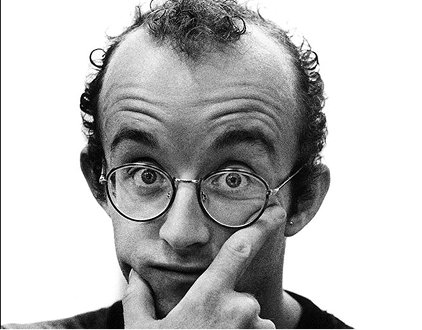
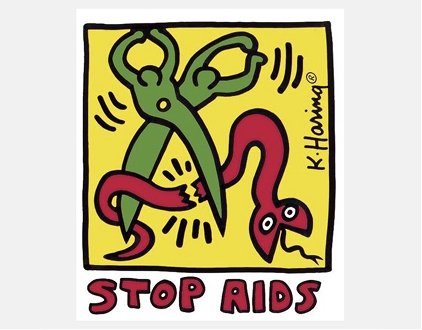
Keith Haring
Keith Haring believed art could—and should—communicate beyond the walls of galleries and museums. His subway drawings, public murals, posters and commercial collaborations transformed his instantly recognizable figures into a visual language accessible to millions. He also used that language to address social and political issues, including AIDS, apartheid, drug abuse and nuclear disarmament. Crack Down! is an especially strong choice for the Art Disruptors project because it combines Haring’s unmistakable graphic language with social messaging. Haring’s own archive identifies the work as a 1986 artwork and poster.
The definition of art
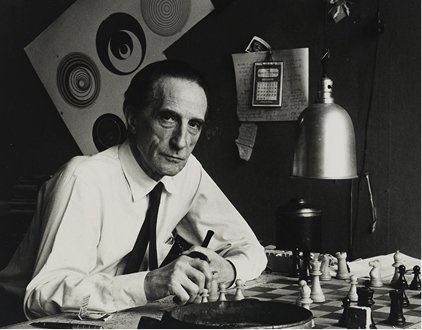
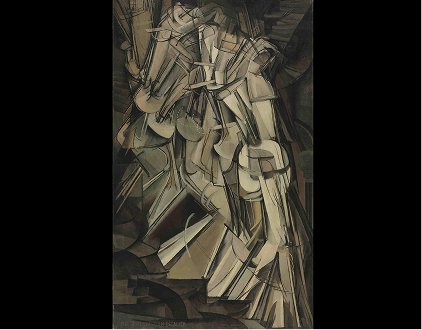
Marcel Duchamp
Marcel Duchamp fundamentally changed the question of what art could be. With Fountain, his famous readymade urinal, Duchamp challenged the assumption that art had to be handmade, beautiful, or even traditionally recognizable as art. By selecting an ordinary manufactured object and presenting it within an artistic context, he shifted attention from the artist’s craftsmanship to the artist’s intention and ideas. His challenge to the boundaries of art became foundational to conceptual art and much of contemporary practice that followed. MoMA describes Fountain as the high point of Duchamp’s campaign to expand and dismantle conventional definitions of a work of art.
Art & mass communication
Shepard Fairey
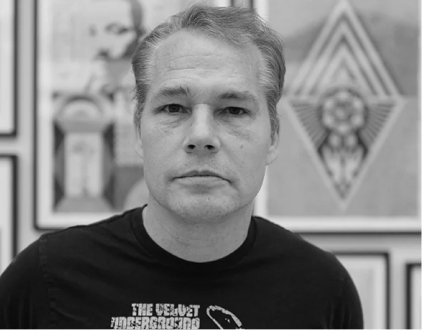
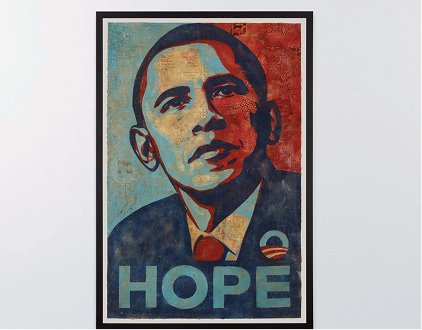
Shepard Fairey recognized that visual communication itself could be a form of cultural power. Drawing from propaganda, advertising, punk graphics, street art and political posters, he created images designed not merely to be viewed but to circulate. His HOPE portrait of Barack Obama became one of the most recognizable political images of the 21st century and demonstrated how a graphic artwork could become a mass cultural symbol. The Smithsonian’s National Museum of African American History and Culture identifies the work as a lithograph by Fairey and preserves it in its collection.
The boundaries between artwork, space & experience
Yayoi Kusama
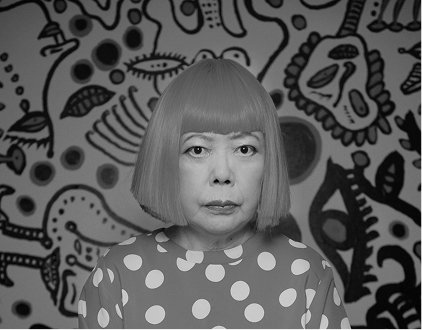
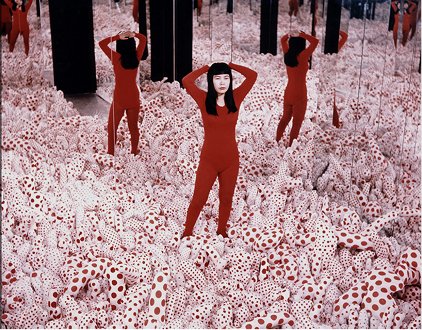
Yayoi Kusama transformed repetition into an immersive experience. Her Infinity Mirror Rooms don’t simply ask viewers to look at an artwork—they place the viewer inside it, using mirrors, light, repetition and space to create the illusion of infinity. Infinity Mirror Room—Phalli’s Field, first created in 1965, was a breakthrough that transformed her earlier obsessive repetition into a participatory environment in which the visitor becomes part of the work. The Hirshhorn identifies it as perhaps the most important breakthrough of this period in Kusama’s career.
WHO OPERATES THE 13?
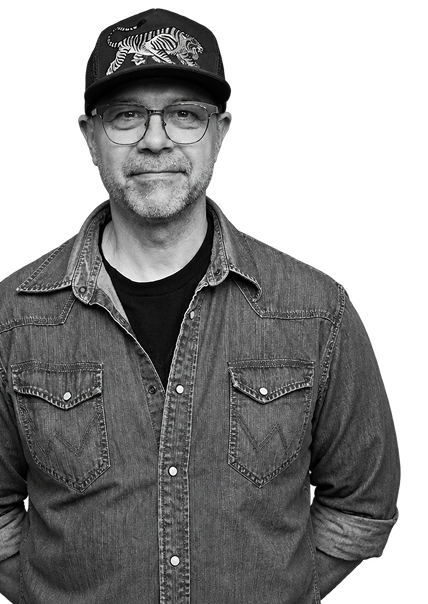
The 13 began with a simple idea. Entrepreneur and artist David Fenton – aka FRENETK – wanted to do more than just create; he wanted to harness the power of creativity itself to change our collective trajectory as a society.
We are living through a polycrisis — climate, inequality, injustice, misinformation, conflict and other pressures collide around us every day. Too often, we treat these problems as separate when, in fact, they are deeply connected.
The 13 strives to bring people together to see those connections, to become more aware of the systems shaping our lives, and to then turn that awareness into action and measurable change.
 READ MORE
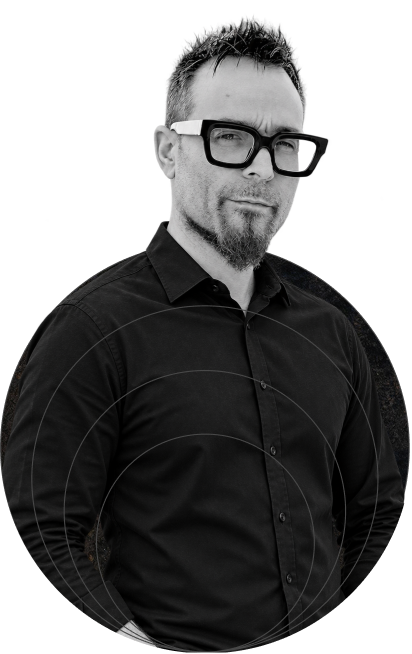
DAVID
FENTON
CO-FOUNDER, CEO & CREATIVE DIRECTOR
David Fenton is the founder and creative force behind The 13.
Ideas don't change the world,
Stories do.
Systerns make them last.
Stories do.
Systerns make them last.
 READ MORE
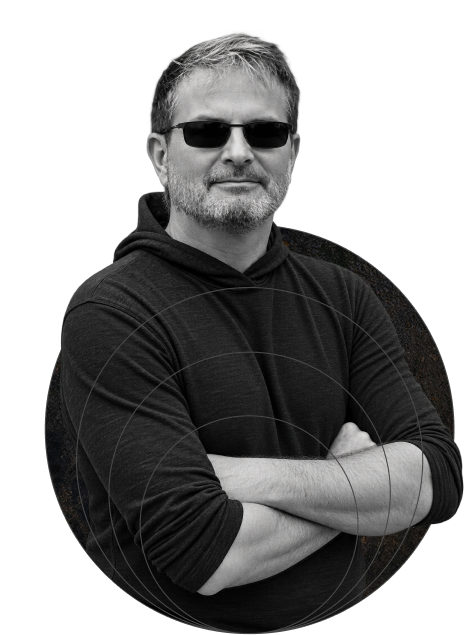
Nick
McKinney
CHIEF NARRATIVE OFFICER
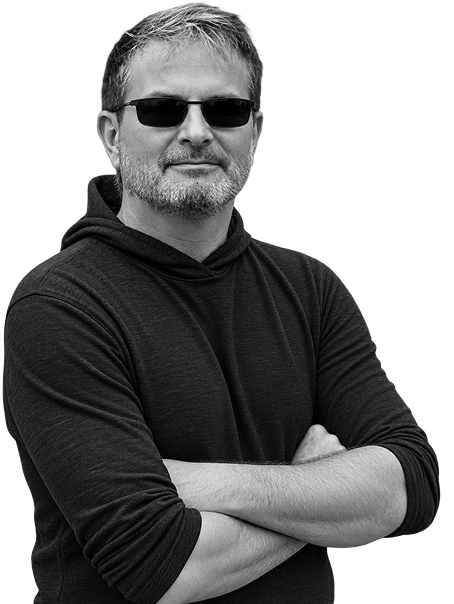
Nick McKinney serves as the narrative architect of The 13.
Ideas don't change the world,
Stories do.
Systerns make them last.
Stories do.
Systerns make them last.
 READ MORE
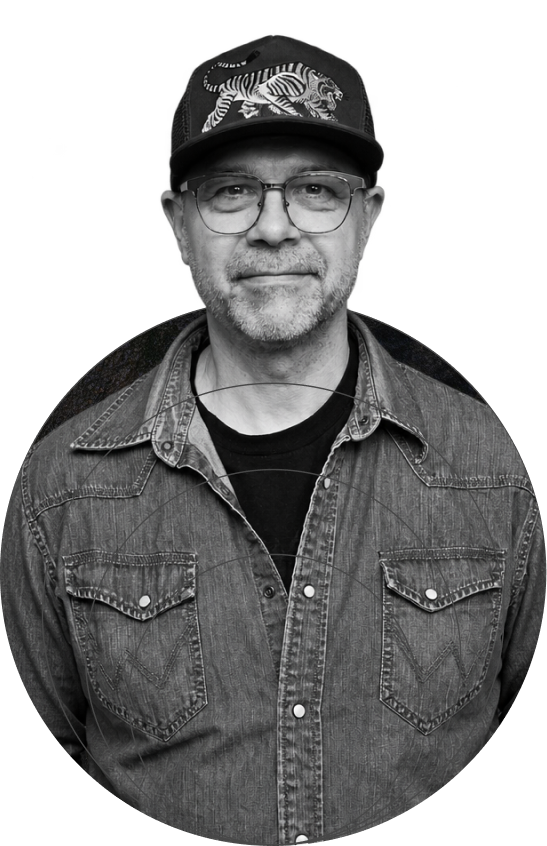
PAUL
RISS
CHIEF MARKETING OFFICER
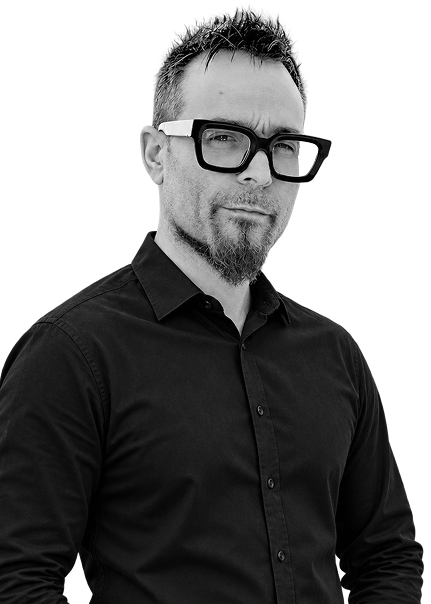
Paul Riss leads marketing, audience development, strategic communications, and brand growth.
Ideas don't change the world,
Stories do.
Systerns make them last.
Stories do.
Systerns make them last.
Alyssa
Yeargin
CO-FOUNDER & COO
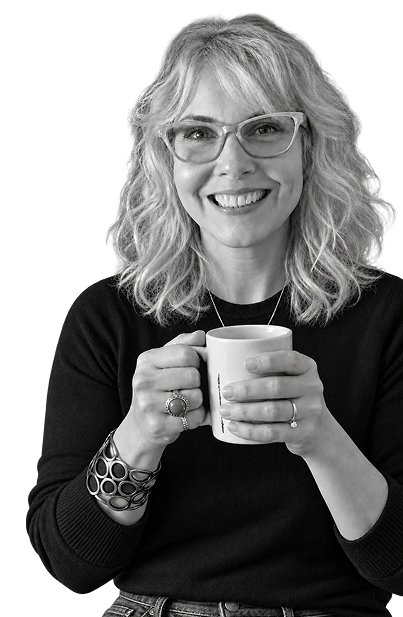
Alyssa Yeargin oversees organizational operations, strategic planning, systems development, partnerships, compliance, and execution.
Ideas don't change the world,
Stories do.
Systerns make them last.
Stories do.
Systerns make them last.
 READ MORE
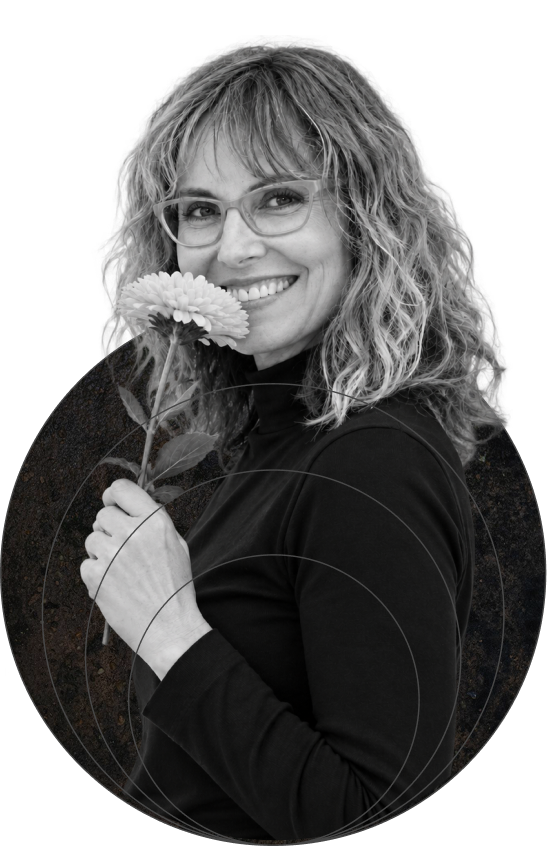
Asba
Banu
Design / Visual Lead
We build systems for stories that move culture. Disruption is not the goal— transformation is.
Ideas don't change the world,
Stories do.
Systerns make them last.
Stories do.
Systerns make them last.
 READ MORE
Caleb
SOCIAL JUSTICE LAWYERCaleb is how we enter The 13. As his story unfolds, we begin to see the world differently.
Ideas don't change the world,
Stories do.
Systerns make them last.
Stories do.
Systerns make them last.
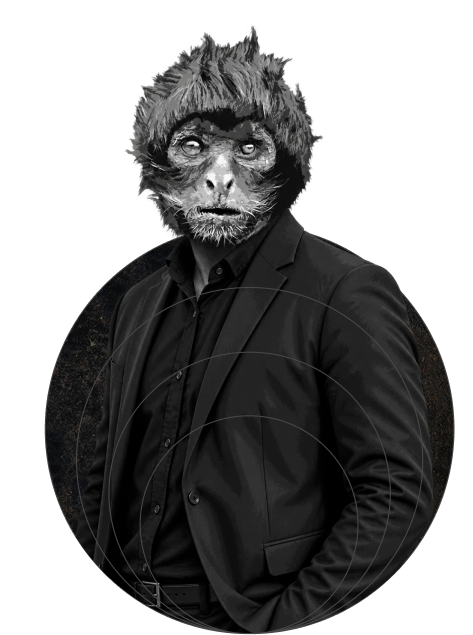
Caleb
SOCIAL JUSTICE LAWYERIdeas don't change the world.
Stories do.
Systems make them last.
Stories do.
Systems make them last.
Newsletter
Collaborate.
Contribute.
Create impact.
BECOME PART
OF THE 13
We collaborate with artists, storytellers, thinkers, and doers who believe in creative culture as a force for significant, measurable change across our world.
SHARE YOUR WORK.
PITCH AN IDEA.
START A CONVERSATION.
 hello@The13.org
 @The13
 US • GLOBAL